
Some concerns you may have
Parents contact me for a wide variety of reasons. Below are some of the most common conditions that I can help with. If your child is showing any of the concerns listed, please contact me.
Social skills
Social interaction skills are required for developing relationships and are used in everyday situations, including play and learning .
Symptoms
- Poor listening skills
- Difficulty sharing toys during play or tools such as colouring pencils or scissors in school
- Struggles to cope with losing games
- Difficulty taking turns with others
Gross motor skills
These are the foundation for play, independence and progress at school. Poor skills can affect balance and co-ordination, which can hinder running, riding a bike, ball games or dressing.
Symptoms
- Awkward movements
- Tires quickly during physical activity
- Poor ball skills
- Difficulty learning how to ride a bike
- Dislikes PE or team games
Fine motor skills
These precise hand and finger movements let your child pick up and manipulate small objects and perform tasks such as writing, fastening buttons, tying shoelaces or cutting with scissors .
Symptoms
- Difficulty grasping small objects with fingers, such as LEGO® blocks
- Poor manipulation and control of objects such as scissors, pencil and cutlery
- Difficulty opening packets or containers
Self-care tasks
Your child moves towards independence by developing these skills, such as brushing their teeth, using a knife and fork, and getting dressed.
Symptoms
- Avoids or has difficulty with using a knife and fork
- Has difficulty fastening buttons or zips or tying shoelaces
- Behavioural difficulties at certain times, eg bath time, meal times or when getting ready for school or nursery
Handwriting
These difficulties can result in frustration and impact your child’s learning .
Symptoms
- Difficulty copying from the board
- Poor organisation of writing on the page
- Weak hand strength
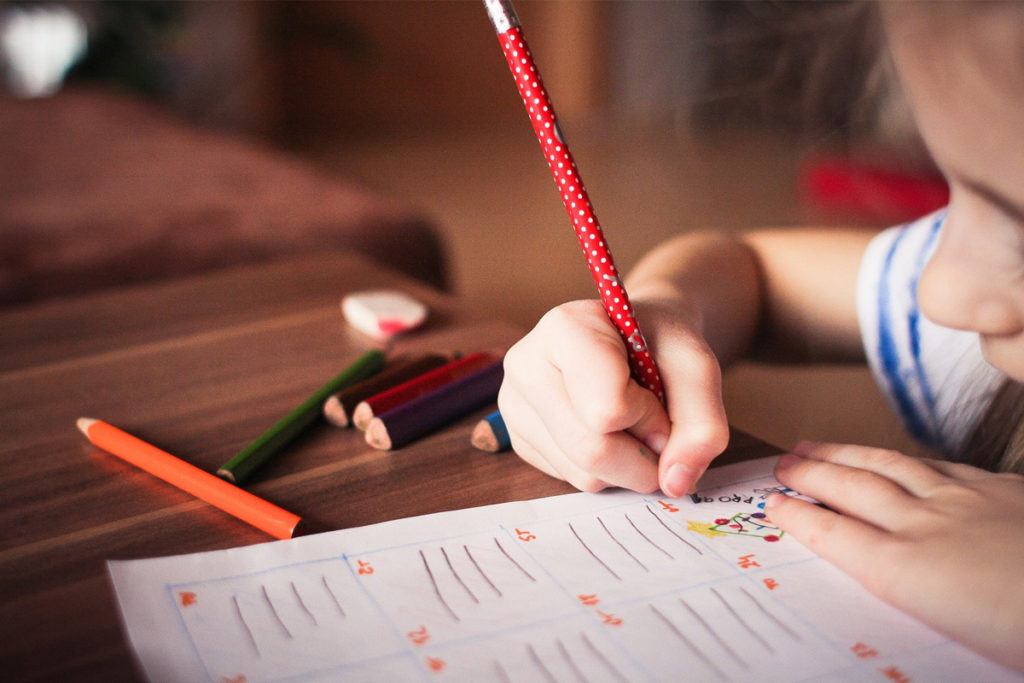
- Immature pencil grip
- Discomfort when holding a pen or pencil
Organisational skills
Your child needs to plan and organise their body movements and environment to carry out daily tasks such as packing their school bag, getting dressed or having the correct jotter and pencil on their desk. Motor planning and sequencing skills need to work together for organisation during daily tasks.
Symptoms
- Disorganised and loses things
- Needs to have instructions repeated to complete tasks
- May lack concentration and be easily distracted
Sensory processing
Your child processes and responds to sensory information from their environment – sight, sound, smell, taste, touch, balance and body awareness. How they process this information can be reflected in their emotional response. Some children can find everyday things like getting dressed or going shopping overwhelming and upsetting .
Symptoms
- Over-sensitive to noise in the supermarket or swimming pool
- Appears fidgety and constantly moving
- Becomes distressed when having hair or nails cut
- Dislikes certain textures of clothes or food